

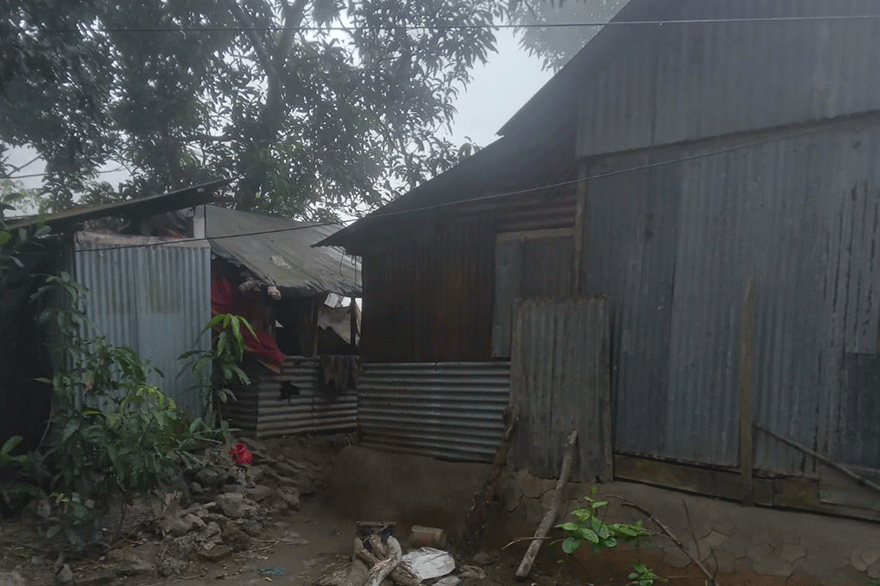
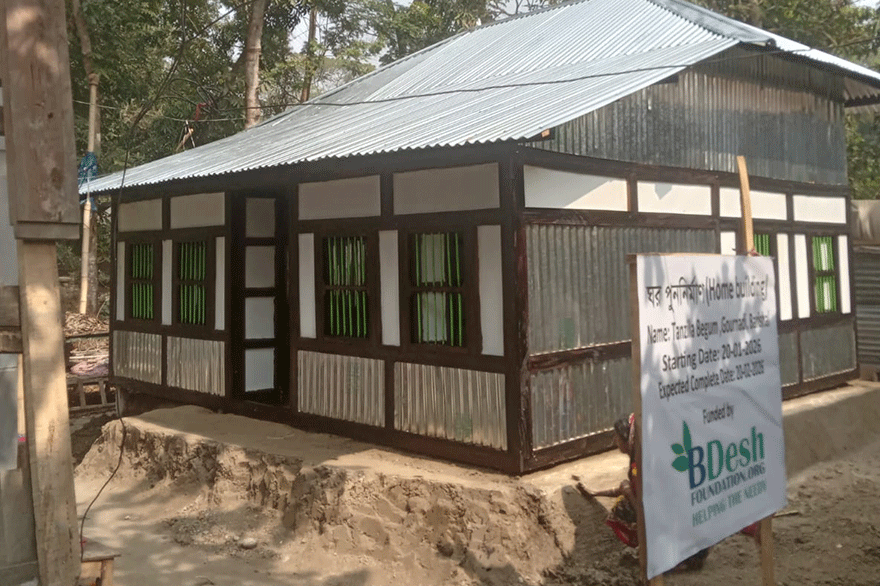
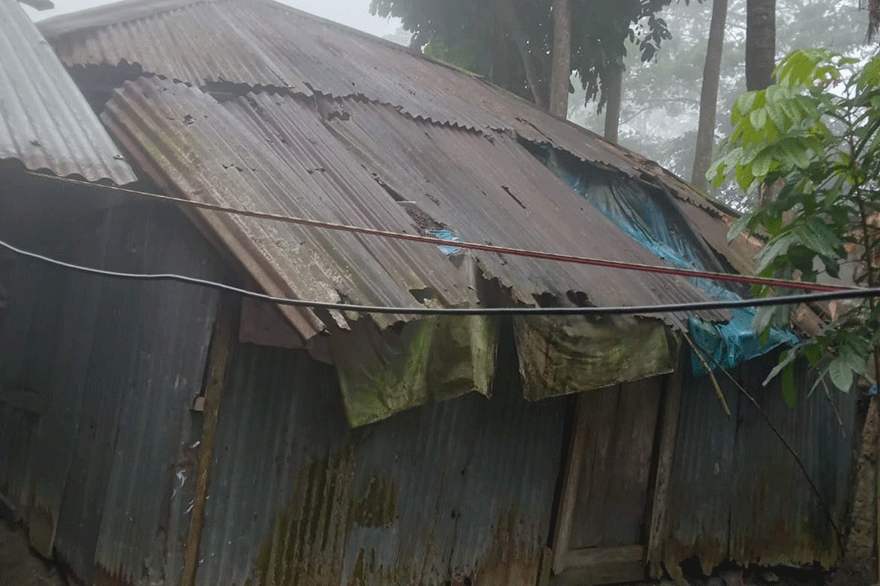
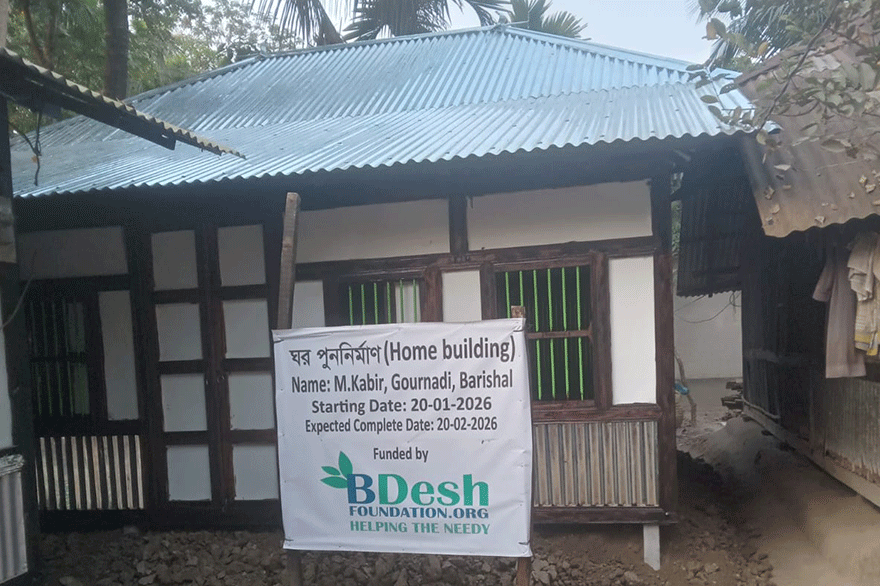
Families in Sylhet and Barishal live in fragile homes exposed to harsh weather, heavy rains, and threats from wild animals and snakes. Sponsor a home or support a community cluster to provide lasting, secure shelter.
Select a stage below to view progress in images and videos.
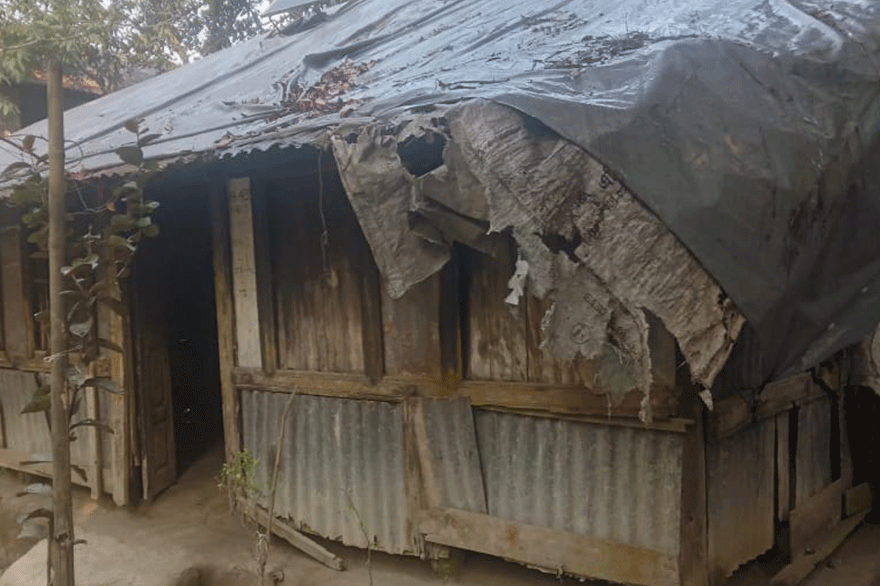
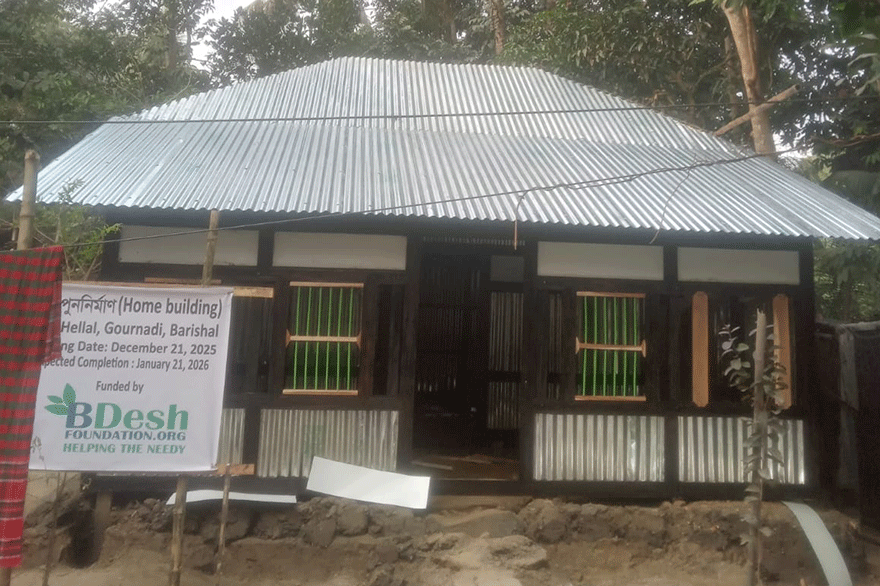
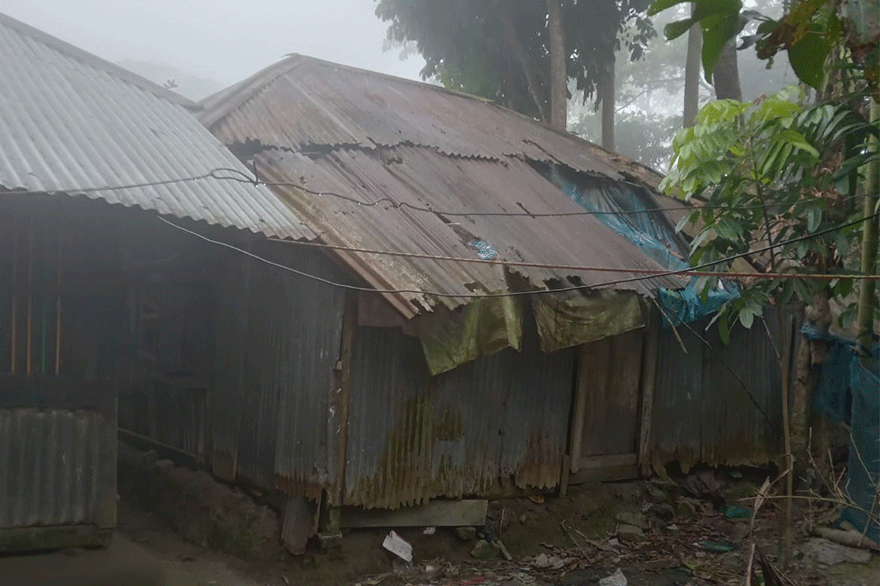
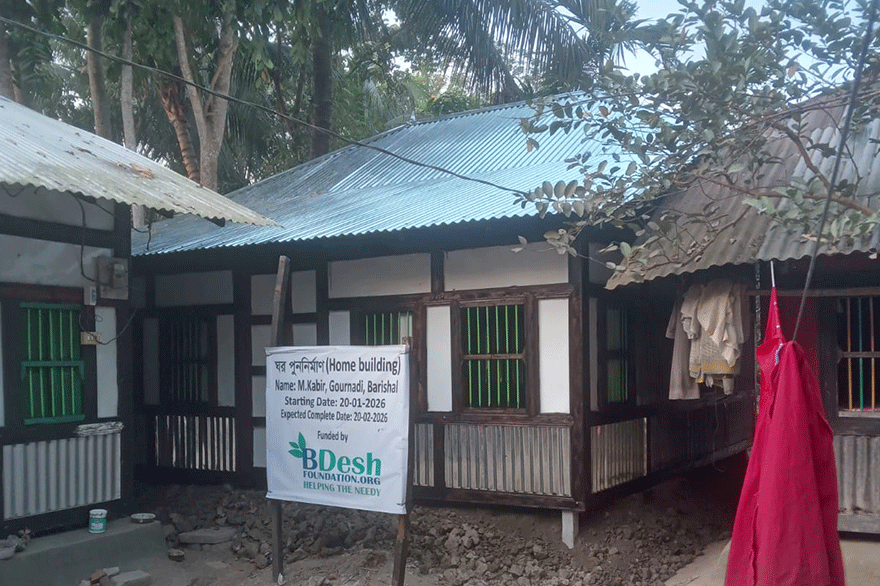
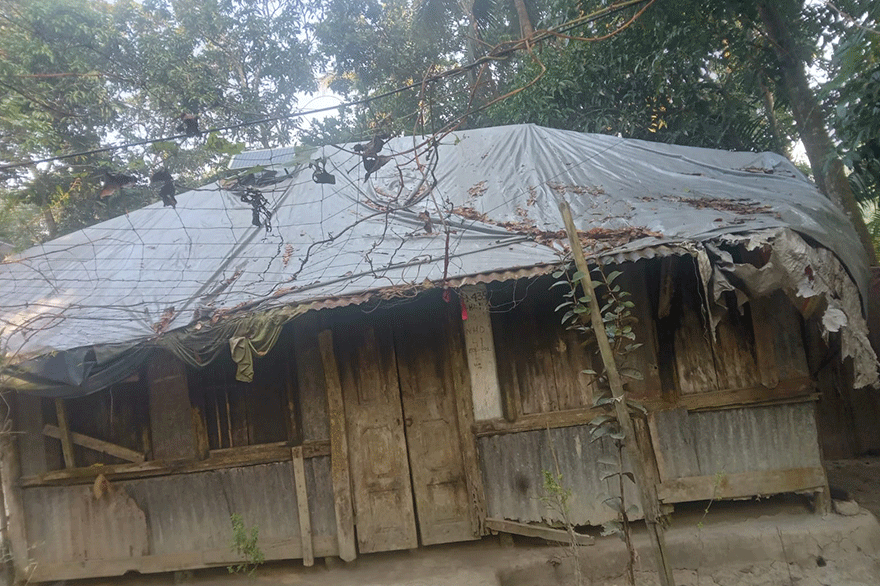
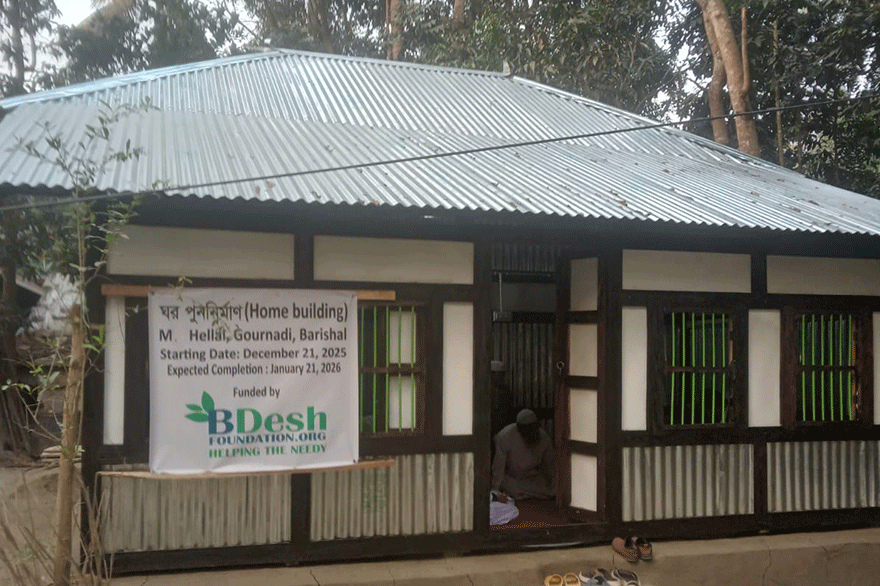
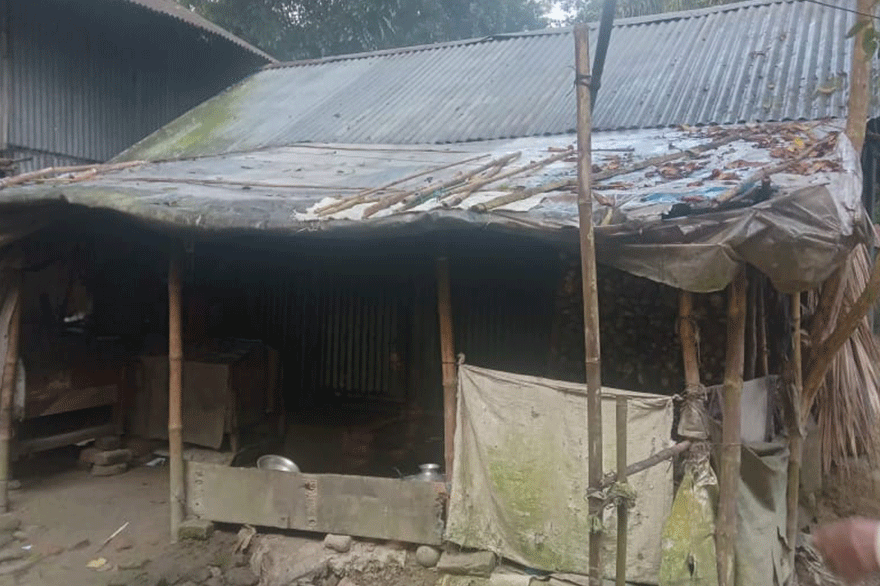
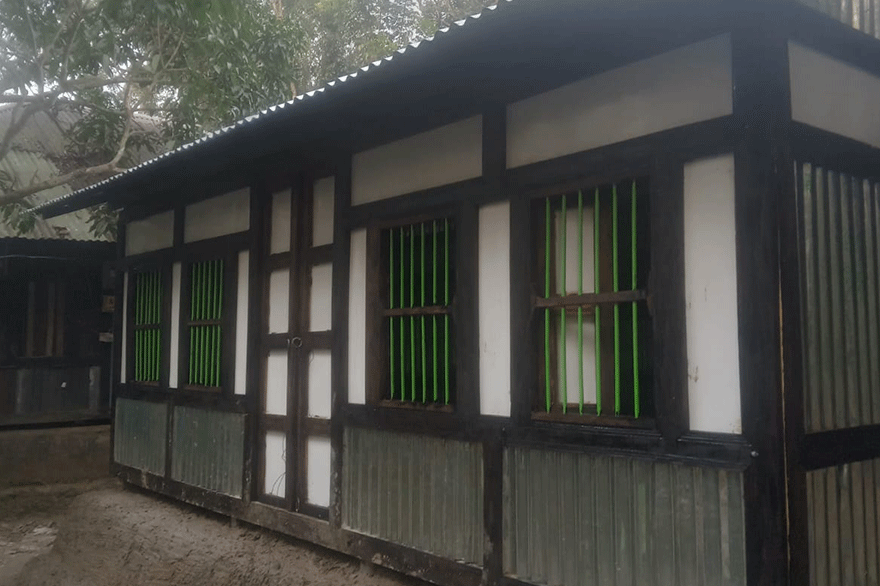
Yes. These homes are built specifically for families who fall under the categories of fuqara and masakin (the extremely poor and needy) mentioned in the Qur’an (9:60). These families cannot afford even basic shelter. The home is provided directly for their benefit.
Families are identified through trusted local contacts who know the community well. A list of the most vulnerable households is prepared and reviewed based on need. Priority is given to elderly individuals, widows, families living in unsafe structures, and people who have no realistic ability to rebuild their homes without outside help.
In most cases the land comes from the family’s ancestral property. In this case the land belongs to her husband’s family and her son also has ownership rights to it. The house was built there so she can continue living safely within her family’s land.
The land documentation exists as part of the family’s ancestral property records. The house itself was built specifically for her residence on that family land.
No. These homes are built to ensure the beneficiary has a stable and secure place to live. They are intended for personal residence and family use rather than for sale or rental.
Basic maintenance is handled by the family members living nearby. The houses are intentionally designed to be simple, durable, and easy to maintain with locally available materials.
In most villages electricity lines already exist nearby. When a house we build does not yet have a connection, we apply for one so the resident can receive electricity. In this case an application has already been submitted and electricity is expected to be connected soon.
Solar panels could technically be installed in the future if needed. At the moment solar systems are relatively expensive, so the priority is first to connect standard electricity where available.
The house provides the main living structure. In rural Bangladesh toilets or latrines are usually built as separate small structures next to the house.
Yes. The houses are typically built on slightly raised ground following common rural construction practices that help reduce flood risk.
In rural Bangladesh family housing arrangements are rarely governed by formal contracts. Homes are usually built on family land where the beneficiary already lives. In this case the house is on her husband’s ancestral land and her son is responsible for ensuring she can continue living there safely. The extended family and local community are also aware that the home was built specifically for her.
The floor is hardened mud, which is the standard and most practical flooring used in many rural homes in that region. It is compacted and maintained so it remains firm and durable.
In rural villages toilets are typically separate small structures located outside the main house. Since the focus of this project is to provide the core shelter structure, latrines are not built as part of the house construction in order to keep costs minimal. Accessibility features such as ramps to external latrines can be considered separately in the future if funding allows.
Each home is documented through photos and videos from the field whenever possible, including before, during, and after construction. The project is coordinated locally by trusted community members while the overall initiative is managed through BDeshFoundation.org, a U.S. based 501c3 volunteer run nonprofit with more than 20 years of service. We continue improving documentation and reporting as the program grows so donors can clearly see the impact of their Zakat and charitable contributions.
Yes. Homes are built only where the beneficiary already lives or has clear family access to the land. The purpose is to provide safe and stable shelter so the intended beneficiary can continue living there without disruption.
Yes. While these homes are built in rural villages, we try to ensure the location has reasonable physical access so materials can be transported and the beneficiary can continue normal daily life within the community.
Yes. Local conditions are reviewed before construction. Since the homes are built on family land within established communities, the beneficiary typically already has social acceptance in that location, which reduces the likelihood of intimidation or conflict.
The project focuses on households that are among the poorest and least able to rebuild their homes on their own. Selection is based on need rather than influence, and the goal is to give equal opportunity to those who genuinely lack the resources to secure safe shelter.
Local knowledge is sometimes used to identify families in need, but the project does not rely on political influence. Final selection is based on direct verification of need and vulnerability.
If a beneficiary has a physical disability, accessibility improvements such as ramps to the house can be considered where possible. Since these homes are built with a limited budget, additional accessibility features depend on available funding.
Yes. Individuals with disabilities are considered a high priority when identifying families in need, especially if they lack the means to secure safe housing.
The project does not prioritize based on gender alone. The goal is to support the most vulnerable households, which often includes widows, elderly women, and families without stable income.
The project’s responsibility is to construct and hand over the home to the beneficiary. Since the house is built on family land within an existing community, any future disputes would typically be handled by the family and local community structures.
Construction is usually completed quickly, and beneficiaries often stay with nearby family members or neighbors during the building period. The project does not currently provide a separate relocation allowance.
Sylhet and Barishal were chosen because we identified reliable local champions in those areas who were willing to coordinate the work on the ground.
These individuals help identify families in need, gather photos and information, coordinate with carpenters, source materials, and oversee construction.
At the same time, we also had donors willing to sponsor homes in those regions. When strong local coordination and fundraising support come together, the project can move forward effectively.
We fully intend to expand to other areas in Bangladesh as additional local champions and sponsors step forward to support projects in their communities

Powered and secured by Tekno Visual
Powered and Secured by Tekno Visual
 Spanish
  English